Related Products
For Professionals
- Amplification
- Assessment of Student Skills, Challenges, Needs
- Early Childhood: Infants, Toddlers, Preschool
- Hearing Loss – Identification, Impact and Next Steps
- IDEA Law Summary Information
- Language and Speech Development Issues
- Legal Issues in Serving Children with Hearing Loss
- Listening (Auditory Skills) Development
- Planning to Meet Student Needs
- Self-Advocacy Skills for Students with Hearing Loss
- Self-Concept: How the Child with Hearing Loss Sees Himself
- Social Skills
- Speech Perception & Learning
Related Teacher Tools Takeout Items
How They See Themselves: Self-Concept in Children with Hearing Loss
What Is Self-Concept in Children with Hearing Loss?
Children’s self-concept is the way they see themselves, their abilities, their relationships, their confidence, and their self-worth. Positive self-concept in children with hearing loss is developed by successful communication, positive relationships, meaningful participation, and opportunities for success at home and at school.
Self-concept is a big topic! Because self-concept develops throughout childhood, we’ve created age-specific resources to help parents and professionals support children at every stage.
Self-Concept for Infants, Toddlers, Preschoolers
Bullying/Teasing and Students with Hearing Loss
A Guide to Support Mental Health and Well-Being of Children and Youth who are Deaf/deaf and Hard of Hearing was created in 2015 for children in Ontario’s schools. It provides grade-specific tools and strategies for parents and teachers and specifies risk factors and relevant child development.
What is Self-Concept?

A little girl playing queen of the mountain on a dirt mound. (Shutterstock / J. Haglof Photography)
A child’s self-concept is their belief about how worthwhile they are. Self-concept is how the child sees themself. It is made up of a sense of belonging and being accepted, a sense of being good, and a sense of being capable of doing things well. Self-concept represents the sum of an individual’s beliefs about their own attributes.
Self-concept is built on good relationships, and good relationships are built on communication. Children with hearing loss are at risk for lower self-concepts. This is because they miss communication and subtle social interactions that occur outside of their ‘listening bubble ‘. It is also related to how people in their environment react to their wearing hearing devices and/or using visual communication methods.
Why does this matter?
Children who develop a healthy self-concept are more likely to participate in class, build friendships, try new challenges, and advocate for themselves. For children with hearing loss, these experiences are closely connected to successful communication and feeling included.
Why Hearing Loss Can Affect Self-Concept
Children with hearing loss often experience situations that hearing peers do not. Missing conversations, misunderstanding social cues, communication breakdowns, or feeling different because of hearing aids or cochlear implants can influence confidence and belonging. These experiences do not automatically result in poor self-concept, but they highlight the importance of early support from families and educators.
How Self-Concept in Children Develops During Childhood
Self-concept influences a child’s ability to learn, grow, be creative, relate to others, make healthy choices, and reach goals.¹
- Toddlers tend to have a lot of self-confidence. They are eager to explore new thoughts, feelings, objects, and people.
- School-age children are often unsure. They may doubt their abilities as they learn to do things on their own.
- Pre-adolescents may feel embarrassed and sensitive about their bodies. As they mature, they may feel confident one minute and insecure the next.
- High-school kids feel the challenge of independence. They need to stand apart from their parents and other adults. Peer acceptance becomes an important confidence-builder.
Although self-concept changes as children grow, one factor remains constant: supportive relationships with caring adults have a lasting impact on confidence and emotional well-being.
A child or teen with a positive self-concept will be able to²:
-
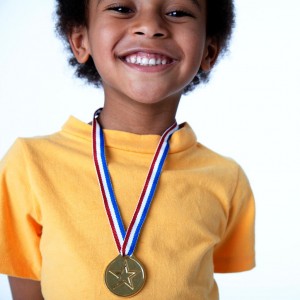
Image Credit: Supporting Success for Children with Hearing Loss
act independently
- assume responsibility
- take pride in his accomplishments
- tolerate frustration
- attempt new tasks and challenges
- handle positive and negative emotions
- offer assistance to others
Why Positive Self-Concept in Children Matters
Children with a positive self-concept are often more willing to communicate, solve problems, ask questions, and develop independence. These skills contribute to success both inside and outside the classroom.
On the other hand, a child with a negative self-concept will:
-
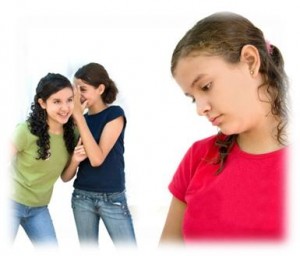
Image Credit: pikselstock / Shutterstock
avoid trying new things
- feel unloved and unwanted
- blame others for his own shortcomings
- feel, or pretend to feel, emotionally indifferent
- be unable to tolerate a normal level of frustration
- put down his own talents and abilities
- be easily influenced
Signs a Child May Need Additional Support
Parents and educators should pay attention if a child consistently withdraws from others, avoids communication, refuses to use hearing technology, or frequently speaks negatively about themselves. Early support can make a meaningful difference.
Look here for worksheets you can use to develop the ability to recognize emotions and self-esteem.
Ten steps you can take to help a child develop a positive self-concept:
Image credit: Connect Images / Getty Images
Parents and educators both influence how children view themselves. The following research-based strategies help children develop confidence while reinforcing resilience and independence.
- Teach children to change their demands to preferences. Point out to children that there is no reason they must get everything they want and that they need not feel angry either. Encourage them to work against anger by setting a good example and by reinforcing them when they display appropriate irritation rather than anger.
- Encourage children to ask for what they want assertively, pointing out that there is no guarantee that they will get it. Reinforce them for asking and avoid anticipating their desires.
- Let children know they create and are responsible for any feeling they experience. Likewise, they are not responsible for others’ feelings. Avoid blaming children for how you feel.
- Encourage children to develop hobbies and interests that give them pleasure and that they can pursue independently.
- Let children settle their own disputes between siblings and friends as much as possible.
- Help children develop “tease tolerance” by pointing out that some teasing can’t hurt. Help children learn to cope with teasing by ignoring it while using positive self-talk such as “names can never hurt me,” “teases have no power over me,” and “if I can resist this tease, then I’m building emotional muscle.”
- Help children learn to focus on their strengths by pointing out to them all the things they can do.
- Encourage children to behave toward themselves the way they’d like their friends to behave toward them.
- Help children think in terms of alternative options and possibilities rather than depending on one option for satisfaction. A child who has only one friend and loses that friend is friendless. However, a child who has many friends and loses one still has many. This same principle holds true in many different areas. Whenever you think there is only one thing that can satisfy you, you limit your potential for being satisfied! The more you help a child realize that there are many options in every situation, the more you increase his or her potential for satisfaction.
- Laugh with the child and encourage them to laugh at themselves. People who take themselves very seriously are undoubtedly decreasing their enjoyment in life. A good sense of humor and the ability to make light of life are important ingredients for increasing one’s overall enjoyment.
Additional Ways to Build Positive Self-Concept in Children
- Celebrate effort
- Encourage friendships
- Teach self-advocacy
- Encourage hobbies
- Provide leadership opportunities
- Normalize hearing technology
- Model positive language
Key Takeaways About Self-Concept in Children
✔️ Self-concept develops over time.
✔️ Communication success strengthens confidence.
✔️ Positive relationships build resilience.
✔️ Families and educators play an important role.
✔️ Children with hearing loss benefit from encouragement and inclusion.
Frequently Asked Questions: Understanding Self-Concept in Children with Hearing Loss
What is “self-concept in children,” and how does it relate to hearing loss?
Self-concept in children is the overall mental picture they build about their own worth, physical abilities, social relationships, and place in the world. For a child with hearing loss, this identity is heavily shaped by how easily they navigate communication. If a child frequently misses out on fast-paced playground banter or classroom jokes, they may internalize the feeling that being “different” means being left out, directly shifting their self-concept from one of capability to one of isolation.
What are the visible signs of a positive vs. negative self-concept?
Children don’t always have the vocabulary to say, “I feel bad about my hearing loss.” Instead, their internal self-concept manifests through clear daily behaviors:
| Signs of a Positive Self-Concept | Signs of a Negative Self-Concept |
| Social Curiosity: Eagerness to interact with peers and try new group activities. | Social Withdrawal: Retreating into solitary play or avoiding peer interactions. |
| Persistence: Willingness to try again or advocate for themselves after a communication breakdown. | Fear of Mistakes: Extreme frustration when a misunderstanding occurs, or immediately giving up. |
| Technology Pride: Wearing hearing aids or cochlear implants confidently without trying to hide them. | Device Sabotage: Frequently “forgetting” devices, hiding them under hair, or refusing to wear them. |
How can parents proactively build a healthy self-concept at home?
The foundational blocks of a child’s identity start at home. Families can protect and build up a child’s self-concept by implementing three intentional habits:
- Create Open Communication Airspace: Normalize talking honestly about hearing fatigue and social challenges without making it feel like a medical crisis.
- Praise the Process, Not Just the Result: Celebrate their effort and resilience when they try to advocate for their needs in public settings.
- Provide True Representation: Actively connect your child with adult DHH role models and peers who use assistive technology proudly so they see a thriving path forward.
What practical strategies can teachers use to protect a student’s confidence?
Mainstream classrooms can be incredibly overwhelming for a hard-of-hearing student who might be the “only one” in their entire grade wearing visible technology. Educators can shift the dynamic by using a simple three-step support sequence:
- Normalize Clear Communication Habits:
- Environmental Engineering.
- Ensure acoustic accommodations like passing the wireless Roger microphone or repeating peer questions are treated as a standard, cool routine for the entire class rather than a special favor that singles out the DHH student.
- Build a Culture of Inclusivity:
- Peer-Level Support.
- Read children’s books that feature diverse characters with hearing devices. Educate typical-hearing classmates about communication etiquette to build natural empathy and prevent social exclusion.
- Respond Quickly to Teasing:
- Proactive Intervention.
- Actively monitor high-risk, unstructured zones like the cafeteria or playground. Step in immediately at the first sign of passive exclusion or direct teasing before it damages the student’s sense of belonging.
Additional Resources:
Bullying and Students with Hearing Loss: What Parents and Educators Need to Know
Self-Concept Assessment Strategies for Adolescents with Hearing Loss
Self-Concept: Infants, Toddlers, and Preschoolers
Self-Concept: School-Age Children with Hearing Loss
Supporting Self-Concept in Students with Hearing Loss: 3 Go-To Ideas
Self-Identity and Hearing Loss
Addressing Self-Esteem and Issues of Fitting In
Teens and the Price to Pass as ‘Normal’
Reducing Stigma and Peer Victimization for Students with Hearing Loss
Bullying and Teasing: Protecting Students with Hearing Loss
Supporting Mental Health of Deaf and Hard-of-Hearing Students in the School Setting
What I Wish My Educators Had Known: 20 Tips from Mainstream Deaf and Hard-of-Hearing (DHH) Individuals
Resources used for this webpage:
- http://shop.channing-bete.com/onlinestore/storeitem.html?iid=166627&cid=134813&item=You%2C+Your+Child+And+Self-Esteem
- http://childdevelopmentinfo.com/child-development/self-esteem.shtml
Posted by Karen L. Anderson, PhD, Supporting Success for Children with Hearing Loss, March 26, 2013.
Last update: June 2026