Related Products
For Professionals
- Amplification
- Assessment of Student Skills, Challenges, Needs
- Early Childhood: Infants, Toddlers, Preschool
- Hearing Loss – Identification, Impact and Next Steps
- IDEA Law Summary Information
- Language and Speech Development Issues
- Legal Issues in Serving Children with Hearing Loss
- Listening (Auditory Skills) Development
- Planning to Meet Student Needs
- Self-Advocacy Skills for Students with Hearing Loss
- Self-Concept: How the Child with Hearing Loss Sees Himself
- Social Skills
- Speech Perception & Learning
Related Teacher Tools Takeout Items
Helmets for Children With Hearing Aids and Cochlear Implants
Children with hearing loss love sports just as much as any other child! The fact that they wear delicate electronic devices that are HARD in or around their heads makes it necessary to protect them during activities in which a child could come into contact with something or someone else. Families remain the BEST decision-makers for how to keep their children safe! The information contained on this page does NOT guarantee that a child will be harm-free when wearing helmets following these suggestions. (Supporting Success for Children with Hearing Loss will not be held liable for any damages or harm that may occur if any of the suggestions below are followed.)
Karen L. Anderson, Director
Having a hearing aid or cochlear implant shouldn’t keep kids on the sidelines. With the right protective gear, children with hearing technology can safely dive into sports and recess just like any other kid. The secret is all in the fit. Choosing a helmet that sits comfortably over their devices not only keeps them safe but also protects their tech, ensuring they don’t lose vital communication access while they’re playing hard.
Helmet Suggestions
- If you are searching for a helmet that is compatible with Cochlear Implants or hearing aids, look for things like “adjustable dial” or “rack-and-pinion system” in the list of helmet features and pay close attention to how the helmet’s fit system works! Adjustability around the circumference of the child’s head, as well as the height (up and down), is important.
- Some people will put on a bandana or do-rag on first and then put the helmet on to absorb sweat.
- Per Robert Fifer, PhD, the current research on helmet design suggests the padding around the ears should not be modified in any way for two reasons: First, altering the energy-absorption characteristics of the helmet would decrease protection against physical head trauma; second, the plastic case of the hearing aid was not designed to be used in traumatic impact situations. Impact may not only cause damage to the hearing aid, but it possibly increases the risk to the skin and skull in the immediate area of the hearing aid. Fifer, R. (2009, July 14). Head-to-Head With Helmets and Hearing Aids. The ASHA Leader
|
SPORT |
DESCRIPTION |
PHOTO |
|
Football |
Look for helmets that have inflatable padding, as they provide the most flexible fit over hearing aids and CI processors Example: Riddell Speedflex Youth |
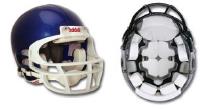 Exterior side view (left) and interior padding layout (right) of a Riddell football helmet featuring concussion reduction technology. Photo courtesy of Supporting Success for Children with Hearing Loss. |
|
Soccer |
Look for fully interchangeable padding and various straps that can be adjusted to the shape of the head, avoiding pressing on the hearing device Example: Full 90 Select |
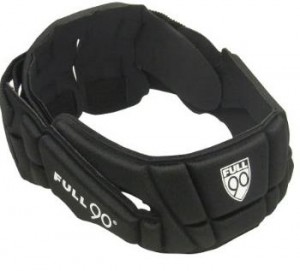 Image courtesy of Full90 Sports, Inc |
|
Baseball/T-Ball |
Look for a helmet with a dial fit adjustment; open it all the way, put the helmet on, and then tighten until it is snug but comfortable with the headpieces or hearing aids in place Example: Rawlings Custom Helmets |
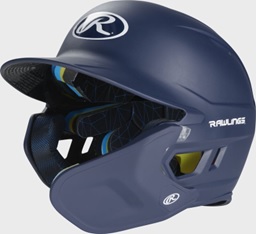 Image courtesy of Rawlings Sporting Goods |
|
Bicycling |
Look for a helmet with a dial fit adjustment. When biking, be sure to use mirrors since your ability to hear will be compromised by the helmet and wind noise. Example: Schwinn Intercept |
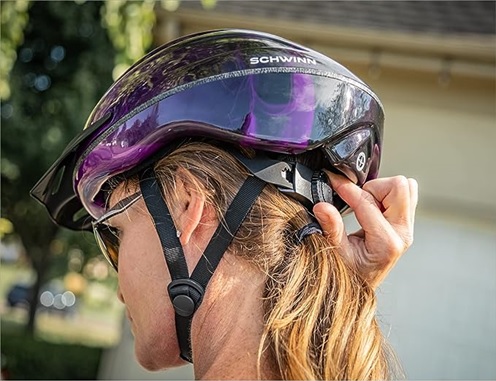 Credit: Courtesy of Schwinn / Pacific Cycle Inc. |
|
Snowboarding/Skiing |
Look for a helmet with a dial fit adjustment. Example: MONATA Ski Helmet |
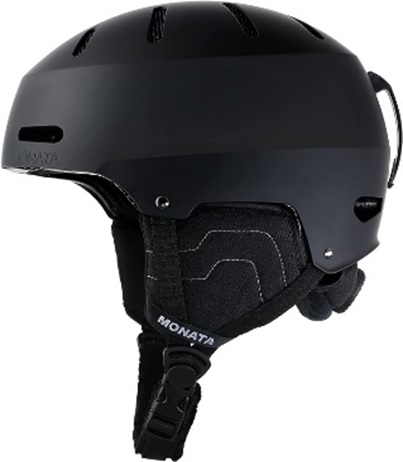 Photo Courtesy of Monata Sports (or Image via Monata) |
|
Skateboards/Scooters |
Look for a helmet that sits up higher on the head, not covering the hearing aid or CI processor. Example: Skateboard Helmets |
 Image courtesy of Triple Eight Protective Gear. |
Thanks to Tina Childress for her expertise and contributions to this information!
Any comments or contributions to this webpage, please email brenda@success4kidswhl.com
Many parents wonder if children can wear hearing aids during sports and what helmets work best with hearing devices.
Frequently Asked Questions About Helmets and Hearing Aids
Can children wear hearing aids during sports?
Yes. Many children can safely wear hearing aids or cochlear implants during sports with properly fitted helmets and protective gear. Safety tips may change depending on the sport, amount of contact, and the child’s hearing technology.
What helmets work best with hearing aids?
Helmets that work best often have:
- Adjustable fit systems.
- Soft, flexible padding.
- Extra space around the ears.
These features reduce pressure on hearing devices while keeping the child safe and stable.
Can cochlear implants be damaged during sports?
Some sports can increase the risk of damage to cochlear implant processors or external equipment. Families should speak with their audiologist or implant team about:
- Sport-specific safety tips.
- Protective gear.
- Safe participation options.
Are there football helmets for children with hearing aids?
Some football helmets have adjustable padding and fit systems that work better with hearing aids or cochlear implant processors. A good fit lowers pressure on the devices while keeping the child safe during play.
What should parents look for in a helmet for hearing aids?
Parents should look for helmets with:
- Adjustable sizing.
- Ear clearance so devices don’t get squished.
- Soft, flexible padding.
- A secure fit that stays in place.
The helmet should protect the child without putting too much pressure on hearing aids or cochlear implants.
Can children wear cochlear implants while biking or skateboarding?
Many children can safely wear cochlear implants while biking, skateboarding, or doing other activities with a properly fitted helmet. Safety tips may change based on:
- The activity.
- The child’s comfort.
- Advice from their hearing care team.
Should helmet padding be modified for hearing devices?
Families should talk with hearing professionals before changing helmet padding. Changing padding the wrong way can reduce helmet safety and may put the child or device at greater risk.
Why is helmet fit important for children with hearing loss?
A well-fitted helmet protects the child and lowers pressure on hearing aids or cochlear implants. A comfortable fit can also help the child feel more confident and willing to take part in sports.
Can hearing aids fall out during sports?
Hearing aids or processors can move or fall out during physical activity, depending on the sport and movement. Retention accessories, helmet fit changes, and protective gear can help keep devices more stable.
How can schools and coaches support athletes with hearing devices?
Schools and coaches can help by:
- Learning about the child’s hearing device needs.
- Allowing communication accommodations.
- Helping the child take part safely in sports and activities.
Clear communication and good safety planning are key.
Additional Resources:
Accommodations: Sports and Extracurricular Activities
Ear Gear: Parents’ choice as most effective for keeping hearing aids on kids!
5 Ways to Support Deaf or Hard-of-Hearing Children Over the Summer
Communication Access with Schools with ADA Accommodations
Originally Published: June 2017
Last Update: June 2026